
How to protect your fencing panels
Fencing panels play a vital role in your garden. They provide privacy, security, and structure. Without proper care, however, they can quickly deteriorate. Weather, moisture, and pests all take their toll over time. That is why understanding How to Protect Your Fencing Panels is essential for any homeowner.
Well-maintained fencing improves kerb appeal and saves money long term. Replacing damaged panels costs far more than maintaining them. With the right steps, you can extend their lifespan by many years.
Start with Quality Installation
Protection begins before maintenance. Correct installation prevents early damage. Always ensure panels sit slightly above ground level. Direct soil contact increases moisture absorption. Over time, that moisture causes rot.
Use treated timber posts or concrete posts for extra strength. Gravel boards also help. They raise the panels away from damp soil. This small addition can significantly reduce decay.
Make sure posts are set firmly in concrete. Loose posts allow panels to move in strong winds. Movement weakens joints and fixings. Stable fencing lasts longer.
Apply a Protective Treatment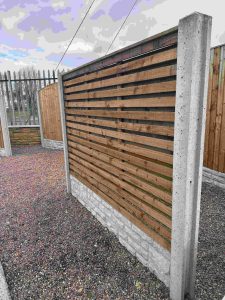
One of the most effective ways to protect timber is surface treatment. Timber preservatives shield wood from rain and UV exposure. They also deter insects and fungal growth.
You should treat new panels as soon as possible. Even pressure-treated timber benefits from an added protective layer. Choose a high-quality fence stain or wood preserver. These products penetrate the wood fibres and create a moisture barrier.
Reapply treatment every one to three years. The frequency depends on exposure levels. South-facing fences endure stronger sunlight. Shaded areas may stay damp for longer.
When learning How to Protect Your Fencing Panels, regular treatment remains the most important step.
Keep Panels Clean
Dirt and organic debris trap moisture against timber. Moss and algae hold water on the surface. Over time, this creates ideal conditions for rot.
Clean your fencing at least once a year. Use a stiff brush to remove surface dirt. A gentle pressure wash can help, but avoid excessive force. High pressure may damage the wood grain.
After cleaning, allow panels to dry fully before applying treatment. Dry timber absorbs preservative more effectively.
Prevent Water Damage
Water is the biggest enemy of timber fencing. Good drainage around the base helps prevent prolonged dampness. Avoid piling soil or mulch against the panels.
Trim back plants and hedges. Overgrown vegetation restricts airflow. Limited airflow slows drying after rainfall. This increases the risk of fungal growth.
Check for standing water near fence posts. If water collects regularly, improve drainage in that area. Simple adjustments can prevent long-term structural issues.
Inspect for Early Signs of Damage
Routine inspection helps you act quickly. Small problems become expensive repairs if ignored. Look for signs such as:
- Soft or crumbling wood
- Loose nails or screws
- Warping or splitting boards
- Leaning posts
Address minor repairs straight away. Replace damaged boards before the issue spreads. Tighten loose fixings to maintain stability.
If you invest in fencing panels doncaster homeowners rely on, maintenance ensures they remain strong for years. Quality materials still require care.
Protect Against Wind Damage
Strong winds place stress on fencing structures. Secure fixings reduce movement. Use galvanised or stainless-steel screws to prevent rust.
Consider installing fence supports in exposed areas. Additional bracing strengthens panels during storms. If you live in an open or elevated location, wind protection becomes even more important.
After heavy weather, inspect your fence. Prompt action prevents further weakening.
 Guard Against Pests
Insects and small animals can damage timber fencing. Wood-boring insects create tunnels within panels. This weakens structural strength.
Applying insect-resistant treatment helps deter pests. Keep the surrounding area tidy to reduce nesting opportunities. Remove stacked wood or debris from near the fence line.
Regular checks ensure early detection. If infestation appears severe, consult a professional.
Seasonal Maintenance Matters
Different seasons present different challenges. Winter brings heavy rain and frost. Moisture freezes within wood fibres and causes splitting. Autumn leaves trap dampness at the base.
Spring offers an ideal time for cleaning and treatment. Warmer temperatures allow preservatives to cure properly. Summer inspections help address sun damage.
When thinking about How to Protect Your Fencing Panels, seasonal care plays a major role. A simple annual schedule keeps maintenance manageable.
Improve Longevity with Smart Landscaping
Landscaping choices influence fence durability. Avoid attaching heavy items directly to panels. Hanging planters add weight and trap moisture.
Leave a small gap between fencing and decking where possible. This allows airflow and reduces damp transfer. Position sprinklers carefully to avoid soaking the timber regularly.
Thoughtful garden design supports long-term fence health.
Final Thoughts
Understanding How to Protect Your Fencing Panels ensures your investment remains strong and attractive. Regular cleaning, protective treatment, and routine inspections make a significant difference. Prevention costs less than replacement.
With proper care, quality fencing can last well over a decade. Small maintenance tasks performed consistently protect both appearance and structure.
Contact Us
If you need advice on fencing maintenance or are considering new panels, contact our friendly team today. We are happy to help you choose the right solution and keep your fencing looking its best.